
How state-by-state requirements create risk for growing manaufacturers
Most manufacturers understand that packaging decisions don't exist in isolation. They touch procurement, production, warehousing, freight, and compliance. Where challenges tend to emerge is when distribution expands, new markets are added, or requirements shift by state.
At this "state by state" stage, packaging choices made for efficiency or cost can introduce unintended friction. Labeling language gets reviewed more closely. Material assumptions are re-evaluated. Questions arise about whether a single package can continue to serve multiple regions without modification.
By the time those questions surface, packaging is no longer a clean decision. Inventory may already be produced. Logistics may already be scheduled. Adjustments are possible, but they come with real operational consequences, especially waste and obsolesce.
This is a common pressure point for growing manufacturers. It's the result of packaging being asked to do more than it was originally designed to do. It makes sense to bridge these anticipated hurdles in advance, rather than when it's already too late.
It’s a changing landscape, and only true experts, proper authorities and consultants at
the local level have the answers you’ll need in real time. But this article can help shed
some light on compliance issues that multi-state manufacturing that you can be
prepared to address.
the local level have the answers you’ll need in real time. But this article can help shed
some light on compliance issues that multi-state manufacturing that you can be
prepared to address.
A Scenario Manufacturers Recognize
A regional beverage brand grows steadily in the Midwest and Northeast. Packaging choices were made years earlier based on availability, cost, and what worked in existing markets. The label includes a recyclability claim that's never been questioned.
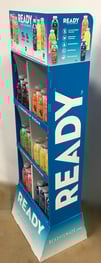
As distribution expands west, a new retail partner asks for confirmation that the packaging and labeling meet California requirements. The product itself is fine. The issue is the claim language and how the material is classified under California's standards.
Now the brand has options, none of them clean:
- Redesign the label for one state
- Carry separate inventory for different regions
- Pause shipments while changes are made
- Or risk selling with language that may not hold up under scrutiny
None of this was unintentional. The packaging worked - until it didn't. And fixing it now costs far more than addressing it earlier would have.
Where California Enters the Picture
California often becomes the point where this breaks because it's one of the first states where packaging rules affect more than materials. Claims, labeling language, recyclability definitions, and long-term producer responsibility all intersect there.
What catches manufacturers off guard isn't that California has rules. It's that a package can be mostly fine and still create friction:
- Legal to sell, but restricted in how it's described
- Acceptable today, but costly to manage later
- Compliant in one state, questionable in another
For manufacturers outside California, this matters because it reveals a broader truth: packaging that isn't designed with regulatory variability in mind loses flexibility as distribution expands.
Look into the local laws of the locations you’ll be shipping your product to for sale and
distribution. Local experts and consultants can steer you in the right direction.
distribution. Local experts and consultants can steer you in the right direction.
For Manufacturers Operating Inside California
For manufacturers based in California, packaging isn't a future concern or a market-specific exception. It's part of daily operations.
Decisions around materials, labeling language, and packaging structure influence reporting obligations, long-term responsibility, and how easily products move through distribution. Packaging changes ripple into inventory strategy, SKU management, and even how growth is paced.
What makes this challenging is the accumulation of regulations overlapping requirements, and evolving definitions. It's a moving target. Packaging that technically meets the rules may still create operational drag if it isn't designed with California's full regulatory environment in mind.
That's why California-based manufacturers often need something different from their packaging partners. 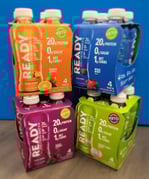
They need fluency at least as much as awareness when it comes to compliance. The ability to anticipate where pressure points emerge and design packaging systems that hold up under scrutiny without constant adjustment is critical. Your packaging supplier needs to be your packaging department!
For more information, about packaging requirements inside the state of California, visit this website: http://calrecycle.ca.gov/
The Language Barrier: An Often-Overlooked Packaging Consideration
Don't forget about multi-language efforts and barriers. As products reach broader audiences, packaging often needs to communicate clearly with more than one customer group.
When additional languages are added later, even small changes can affect label space, layout, and how information is prioritized. It makes sense to have a plan from the start for this to lessen the impact of change later.
This is a reminder that packaging works best when it's designed with flexibility in mind. Thinking ahead about how packaging may need to evolve helps manufacturers avoid unnecessary revisions, reduce waste and excess inventory, and keep operations moving smoothly as markets expand.
What Experience Changes
Knowing every rule in every state is a difficult task for everyone off the cuff. But experience does help to know what problems tend to surface and what needs to be addressed before they do.
That means thinking ahead about:
- Where products are likely to be sold next
- Which claims introduce downstream exposure
- How material choices affect flexibility later
- Whether packaging decisions support or restrict distribution options
Here at Ashtonne Packaging, we have experience working with multi-state food and beverage manufacturers who have already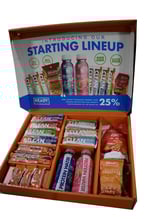 encountered these pressure points. We'll help you know what to look for, and we'll work with you and the proper authorities and consultants to ensure proper compliance. Our role is to help manufacturers avoid decisions that look efficient today but quietly limit tomorrow.
encountered these pressure points. We'll help you know what to look for, and we'll work with you and the proper authorities and consultants to ensure proper compliance. Our role is to help manufacturers avoid decisions that look efficient today but quietly limit tomorrow.Let's talk about muti-state packaging requirements, or specific expectations of your manufacturing state wherever you are. We're ready to help. Give us a call at 877-522-6937 or contact Ashtonne Packaging and let's figure this out together. We look forward to it!